

A car that won’t start can leave you questioning what went wrong, especially when everything seemed normal during your last drive. Sometimes, the first indication of trouble is a strange noise that appears without warning. Knowing what a failing car starter sounds like can help you recognize when the starting system needs attention. While that noise won’t always reveal the exact problem, it gives you a useful clue about what to investigate next.
Why Starter Sounds Change
Your starter motor uses electrical power from the battery to turn the engine when you start your vehicle. Once the engine starts running on its own, the starter disengages. When something interferes with this process, you may not hear the engine’s usual cranking sound.
The sound you hear can offer clues about which part of the starting system isn’t working properly. Some develop as internal starter components wear down, while others occur when electrical connections prevent the motor from receiving enough power. Paying attention to the exact sound gives you useful information when describing the problem to a technician.
Clicking Without Engine Cranking
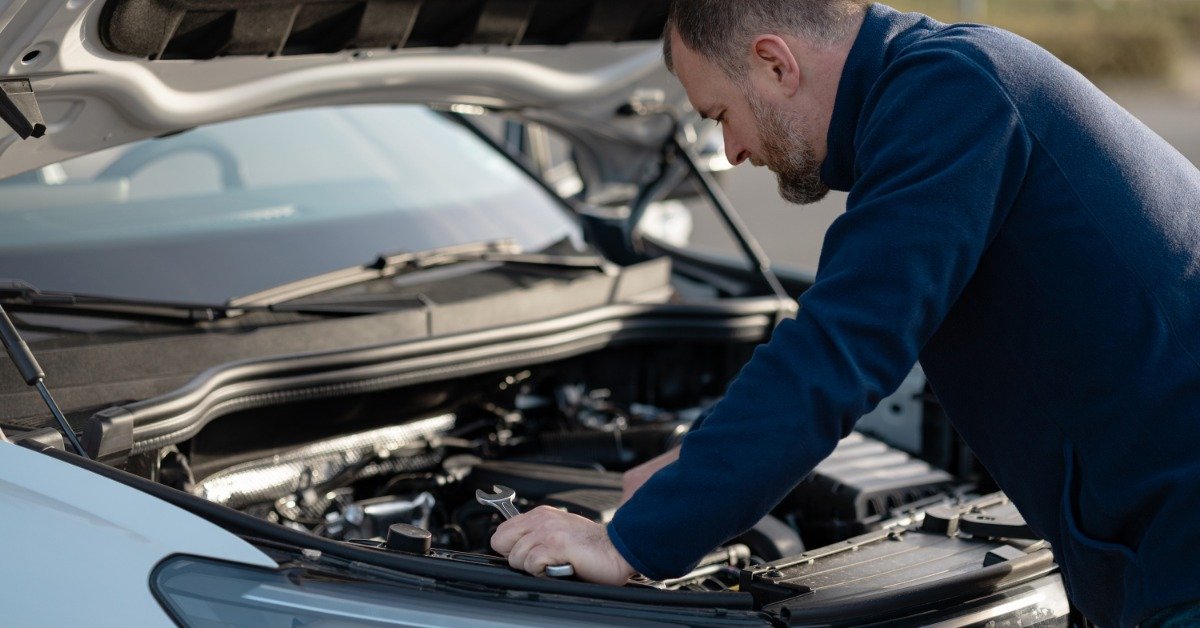
Rapid clicking during startup can indicate that the starter isn’t receiving enough electrical power. When battery voltage drops too low during a starting attempt, the starter solenoid may repeatedly engage and release. As a result, you hear several quick clicks, but the engine never turns over.
A defective starter can also produce a click without turning the engine, particularly when an internal component fails. However, rapid clicking is commonly associated with insufficient battery power or excessive resistance in the electrical circuit. You shouldn’t replace the starter based on clicking alone.
Grinding During Startup
A grinding sound indicates that the starter may not be engaging properly with the engine. Normally, the starter connects with the flywheel or flexplate to turn the engine until it can run on its own. However, worn teeth or a problem with the starter’s engagement mechanism can interfere with that connection.
You shouldn’t ignore this noise because continued starting attempts can cause further damage to the gears. Rather than trying the ignition again, have a technician examine the starter and the components it engages. A proper inspection can identify the source of the grinding and determine what needs repair.
Whirring Without Starting
You might notice a high-pitched spinning noise that doesn’t sound anything like your engine’s normal startup. In this case, the starter may still operate, but it fails to engage the engine and turn it over.
As a result, you’ll hear the motor operating without the familiar cranking that follows a successful engagement. Rather than continuing to start your car, have a technician check the starter assembly to identify the problem and prevent unnecessary damage.
Other Sounds Worth Recognizing
Not every unusual starting sound comes directly from the starter motor. Other components in the starting system can produce noises that resemble starter failure. Recognizing these differences can help you explain the problem more accurately during a diagnostic appointment.
Pay attention to these sounds during your next starting attempt:
- Several quick clicks may suggest that the battery isn’t delivering adequate power
- One distinct click followed by silence may indicate a problem with the starter assembly or its electrical supply
- Harsh metallic scraping may suggest that the starter isn’t connecting properly
- A high-pitched spinning noise may indicate that the starter drive isn’t transferring movement to the engine
- Sluggish engine cranking may suggest a weak battery or increased resistance during startup
When Your Starter Goes Silent
Sometimes, your vehicle gives you no audible response when you attempt to start it. Although the starter motor itself may have stopped functioning, a problem elsewhere in the starting circuit can produce the same result.
Check whether your dashboard lights illuminate when you attempt to start the car. Working lights don’t necessarily mean the battery has enough power to operate the starter, but they provide useful diagnostic information. A technician can test the starting circuit to identify what’s preventing the starter from operating.
Distinguish Starter and Battery Trouble
When you’re trying to identify what a failing car starter sounds like, remember that battery problems can produce similar symptoms. That’s why electrical testing is necessary to determine which component needs attention.
You can look for a few additional clues before arranging service:
- Notice whether the engine cranks slowly or doesn’t crank at all
- Check whether the headlights dim noticeably during a starting attempt
- Remember if the problem appeared after the vehicle sat unused
- Note whether a jump-start changes the engine’s response
- Tell your technician if the starting problem happens intermittently
What Happens During Diagnosis

During a diagnostic appointment, the technician begins by checking the symptoms you’ve described. They’ll evaluate the battery’s condition and check whether the starter receives the electrical power it needs. These checks help determine if the starter actually needs replacement.
If the tests indicate a starter problem, the technician can determine whether the assembly needs replacement. You should also mention any previous grinding noises because those symptoms may warrant additional inspection. Accurate diagnosis helps you address the actual cause rather than relying on assumptions about the sound.
Consider Mobile Starter Replacement
When your vehicle won’t start, getting it to a repair shop becomes another problem to solve. With a mobile starter replacement, a technician comes to your location, diagnoses the problem, and replaces the defective starter on-site. You can have the starting system diagnosed where your vehicle sits, without arranging a tow. The technician can also check the replacement’s operation once the installation is complete.
Know When To Stop Trying
Continuing to turn the ignition after hearing metallic scraping can put unnecessary strain on the starter’s engagement components. If the gears aren’t connecting correctly, another starting attempt may cause additional wear or damage. Stop attempting to start the engine and arrange a professional inspection.
Even if your vehicle starts normally again, don’t assume the problem has resolved itself. Intermittent starter faults can return without warning, leaving you unable to restart the engine later. Addressing the symptoms promptly gives you a better chance of avoiding an unexpected interruption.
An unfamiliar starting noise doesn’t automatically mean you need a new starter, but ignoring it could leave you stranded later. Describing the sound accurately gives your technician a useful starting point for diagnosis. Assure Repair provides mobile diagnostics and starter replacement services throughout the Dallas-Fort Worth area, bringing automotive assistance directly to your location. If your vehicle is struggling to start, contact Assure Repair to schedule an on-site diagnosis and find out what’s causing the trouble.