
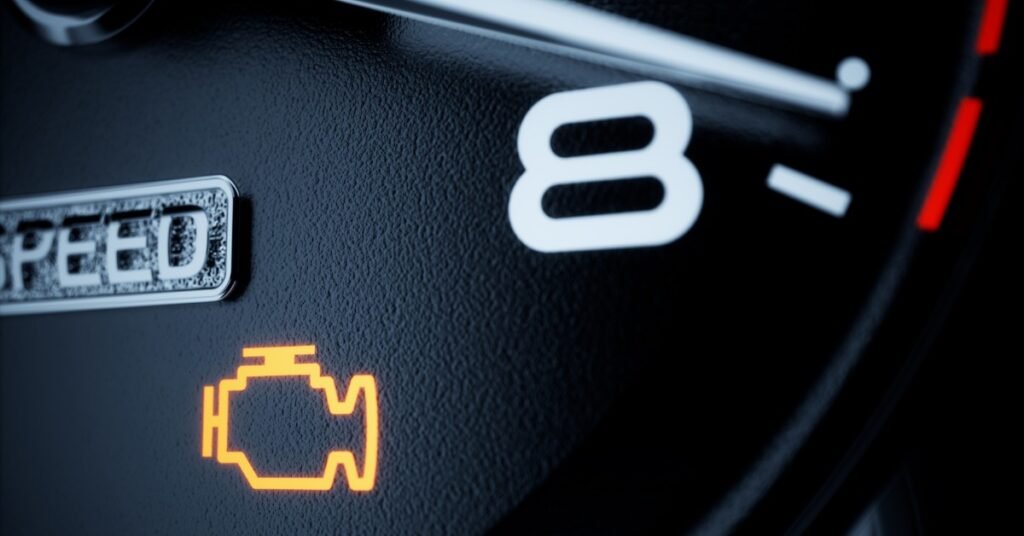
Few dashboard warnings create uncertainty quite like a check engine light appearing during an otherwise normal drive. You might notice no change at all, or your vehicle may suddenly run differently enough to get your attention. The common reasons your engine light comes on range from a loose fuel cap to problems that require prompt diagnosis. Knowing what the warning means gives you a better idea of what to do next.
What the Light Means
Your vehicle constantly monitors systems that affect engine operation and emissions. When its onboard diagnostic system detects a problem that meets certain criteria, it stores diagnostic information and may illuminate the check engine light.
A steady light usually tells you that your vehicle needs attention, but it doesn’t identify the failed part by itself. Therefore, you shouldn’t assume that a dashboard warning points directly to one specific repair.
Diagnostic Codes Offer Clues
When a technician connects a scan tool, the vehicle provides diagnostic trouble codes associated with the detected condition. Those codes help narrow the search, but proper diagnosis still requires checking the related system rather than automatically replacing a component. A single code can have several possible causes. A technician can use the stored information as a starting point for testing.
Check the Fuel Cap
A loose or missing fuel cap can allow fuel vapors to escape from the evaporative emissions system. Your vehicle’s onboard diagnostics can detect that leak and turn on the check engine light. If the cap was recently removed during refueling, checking it gives you a simple place to begin.
As you inspect the cap, keep these points in mind:
- Confirm that the cap is present
- Tighten it securely after refueling
- Look for visible cap damage
- Check whether the light eventually clears
- Seek diagnosis if the warning remains
Misfires Need Prompt Attention

Engine misfires happen when combustion doesn’t occur properly in one or more cylinders. You might notice rough running, hesitation, or reduced performance, although symptoms vary with the cause. Misfires are among the most common reasons a check engine light comes on, so diagnosis should focus on finding the source rather than guessing at a part.
The cause of a misfire depends on the vehicle and the underlying problem. A technician uses the stored codes and symptoms to determine which related systems require further testing.
Flashing Lights Need Attention
If your check engine light flashes instead of remaining steady, take the warning seriously. A flashing light can indicate a severe misfire that can damage the catalytic converter. Reduce demanding driving and arrange service as soon as practical. Check your owner’s manual for instructions specific to your vehicle.
Airflow Problems Affect Operation
Your engine needs accurate information about incoming air so its computer can manage combustion properly. When a sensor or related circuit reports information outside the expected range, the computer may store a fault code and turn on the warning light.
You might also notice changes in the way your vehicle drives, depending on the underlying problem. Since several faults can produce similar symptoms, testing helps separate an airflow-related problem from another engine issue.
Codes Need Proper Testing
Seeing a code related to an engine system doesn’t necessarily mean the named component needs replacement. A technician needs to interpret the code alongside the vehicle’s symptoms and test results. That approach helps avoid replacing a working part without resolving the actual fault. Consequently, diagnosis should come before repair decisions.
Oxygen Sensors May Trigger Warnings
Your vehicle’s onboard diagnostic system monitors oxygen-sensor operation as part of its emissions controls. If the system detects a qualifying fault, it can store a diagnostic code and activate the check engine light.
You shouldn’t assume every oxygen-sensor-related code automatically calls for a new sensor. A technician can evaluate the code and related operating information to determine what’s causing the warning.
Catalyst Problems Require Diagnosis
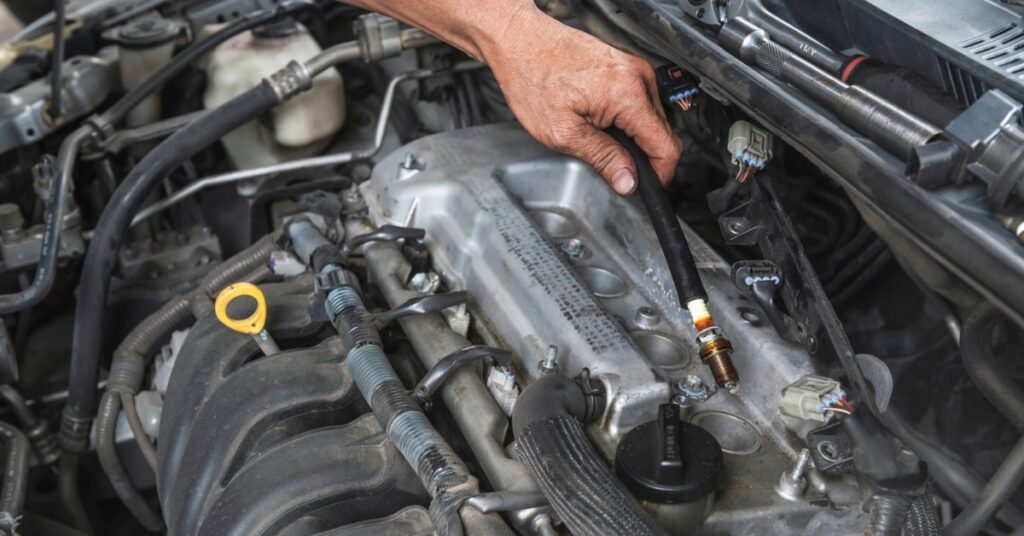
Your vehicle also monitors catalytic-converter efficiency. When the computer detects catalyst performance outside expected parameters, it can store a fault code and set off the check engine light.
A proper diagnostic process involves the following steps before a technician recommends a repair:
- Reading the stored diagnostic codes
- Reviewing relevant operating information
- Checking for related engine faults
- Testing the affected system
- Confirming the cause before repairs
Fuel System Faults Appear
Your onboard diagnostic system continuously monitors fuel-system operation on OBD-equipped vehicles. When it detects a condition outside its expected limits, the computer can turn on the check engine light and store information that helps guide diagnosis.
That warning still doesn’t tell you exactly which repair you need. Instead, a technician can use the code and your vehicle’s behavior to determine where to focus further testing.
Symptoms Add Useful Context
Pay attention to changes that occur around the same time as the warning. Rough idling, stalling, poor acceleration, or reduced fuel economy can provide useful context during diagnosis. Tell the technician what you noticed and when it happened. Those details can help connect the stored code with the condition you experienced.
Electrical Faults Cause Codes
Modern vehicles depend on electronic inputs and outputs that communicate with the powertrain control module. Problems involving monitored electrical components or circuits can therefore store diagnostic trouble codes and trigger the warning light.
Because an electrical fault can involve a circuit rather than the component named in a code description, careful testing remains important. Replacing parts based solely on a scan result can leave the underlying issue unresolved.
Diagnosis Beats Guesswork
You don’t need to know exactly what failed when the warning first appears. Instead, you need reliable diagnostic information that narrows down the cause and guides the next step.
Mobile check-engine light diagnostics bring that testing process to the vehicle’s location. A technician scans the onboard computer and diagnoses the problem where the vehicle sits, helping you understand the issue without making a separate trip to a repair facility.
Assure Repair provides mobile diagnostics throughout the Dallas-Fort Worth area, bringing a technician directly to your vehicle when you need answers. If that warning has been staring back at you from the dashboard, schedule a diagnostic visit with us and find out what your vehicle is trying to tell you.