
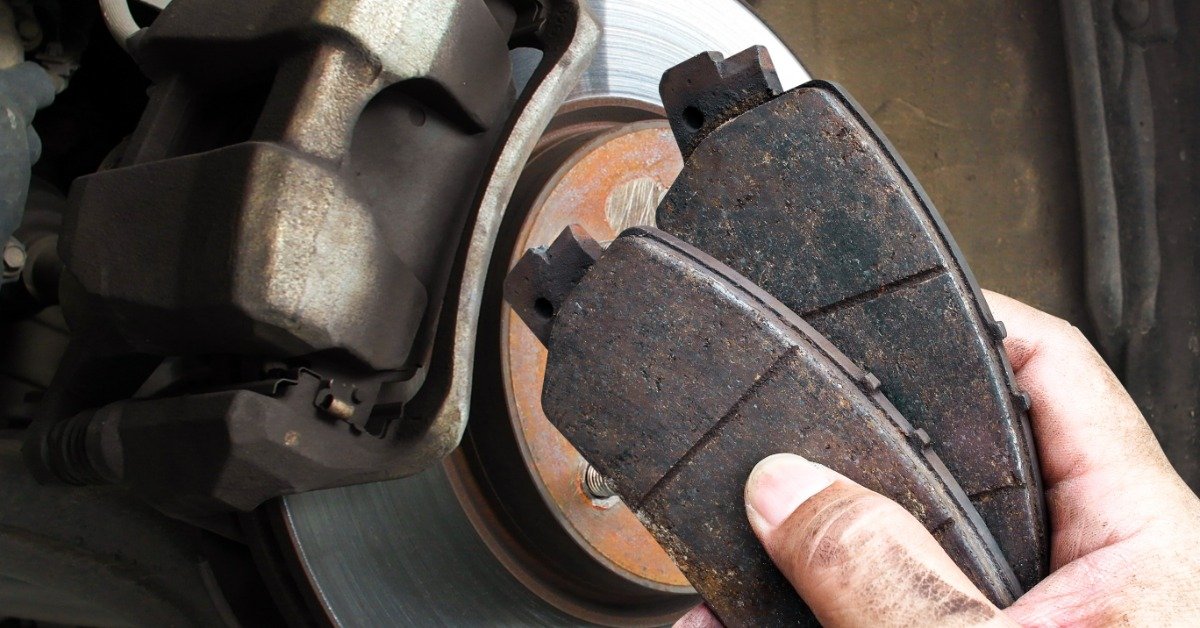
You expect your vehicle to respond smoothly every time you press the brake pedal, but the materials used in its braking system can affect performance. When replacement time comes, you’ll find that different options offer distinct advantages. Learning to compare ceramic against semi-metallic brake pads helps you choose an option that suits your vehicle and driving habits.
What Makes These Materials Different?
Brake pads made from ceramic fibers and other compounds provide smooth, consistent performance during everyday driving. They’re generally quieter than semi-metallic alternatives, making them a popular choice for drivers who prefer a more comfortable driving experience. However, their exact composition varies by manufacturer, so performance can differ depending on the product you choose.
In comparison, semi-metallic options contain a higher proportion of metal mixed with other materials to provide reliable stopping performance. Manufacturers use metals such as steel, iron, or copper, depending on the formulation. This composition helps the pads handle high temperatures, making them a practical choice for vehicles with greater braking demands.
Why Friction Material Matters
When you press the brake pedal, the pads press against the rotating brake rotors to slow your vehicle. As the pads press against the rotors, friction slows the vehicle and generates heat. Different pad materials manage that heat differently, affecting their response under certain driving conditions. That’s why choosing replacement pads involves more than finding a set that fits your vehicle.
Compare Everyday Braking Performance
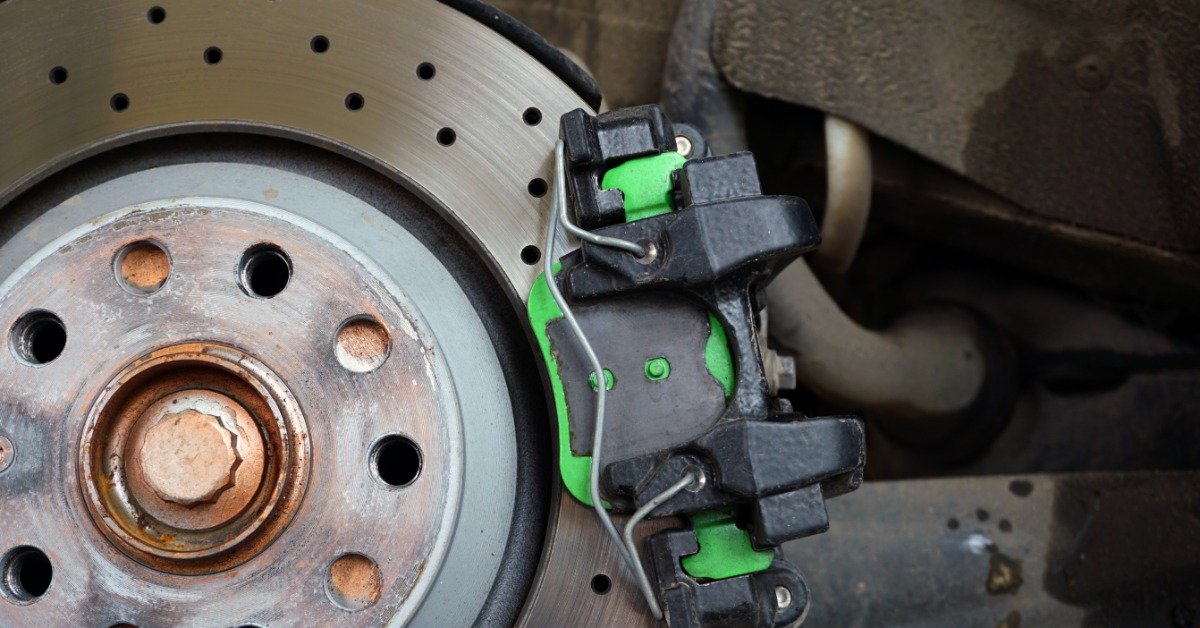
You probably spend much of your driving time making ordinary stops rather than braking aggressively. In these conditions, quality ceramic pads generally provide smooth, predictable braking with relatively little noise. They’re a popular option for passenger vehicles because their characteristics suit typical commuting conditions.
Semi-metallic pads also provide reliable stopping performance, although their response can vary with temperature and formulation. Some semi-metallic options deliver a firmer response as soon as you apply pressure to the pedal, giving you a more immediate sense of stopping power. However, neither material automatically delivers shorter stopping distances, since tire traction and other braking components also affect performance.
Noise and Brake Dust
You may notice dark residue collecting on your wheels between washes. Much of this residue comes from brake pad wear, although the rotors also contribute. With ceramic pads, you’ll generally notice less visible dust buildup on your wheels, making it easier to keep them looking clean.
You’ll also want to consider the amount of noise each material produces. Ceramic formulations tend to produce less audible squealing during ordinary operation, while some semi-metallic pads generate more vibration-related noise. Keep in mind that worn components or improper installation can also cause brake noise.
When Squealing Requires Attention
An occasional squeak doesn’t automatically mean your brake pads need replacement. Moisture or temporary surface conditions can produce brief noises that disappear after several stops. If the squealing continues, have your brakes inspected to identify the cause. If you hear grinding, arrange an inspection promptly rather than assuming the sound comes from normal pad friction.
Heat and Demanding Driving Conditions
Your brakes generate considerable heat when you repeatedly slow down from higher speeds. Semi-metallic pads perform well under the intense heat generated by repeated braking, making them a practical choice for vehicles with greater performance demands. Still, you’ll need pads that meet your vehicle’s specific braking requirements.
When you compare ceramic and semi-metallic brake pads, consider how your typical driving habits affect performance. Some conditions require greater stopping power or heat resistance, making material selection especially important.
Keep these factors in mind:
- Driving through mountainous areas with long downhill stretches
- Towing a trailer within your vehicle’s rated capacity
- Carrying heavy loads that increase braking demands
- Making repeated stops during demanding driving
- Driving a performance vehicle that requires specialized pads
Brake Pad Wear and Longevity
A harder brake pad doesn’t necessarily last longer, since driving conditions and material composition also affect wear. Ceramic pads generally offer good longevity during everyday driving, although the lifespan of either material depends on its specific formulation. Frequent hard braking can accelerate pad wear and shorten replacement intervals.
Rotor wear deserves attention as well. Some semi-metallic formulations can be harder on brake rotors, potentially contributing to faster wear depending on the materials used. That’s why it’s worth considering potential rotor wear alongside the initial cost of replacement pads.
Choose Pads for Your Vehicle
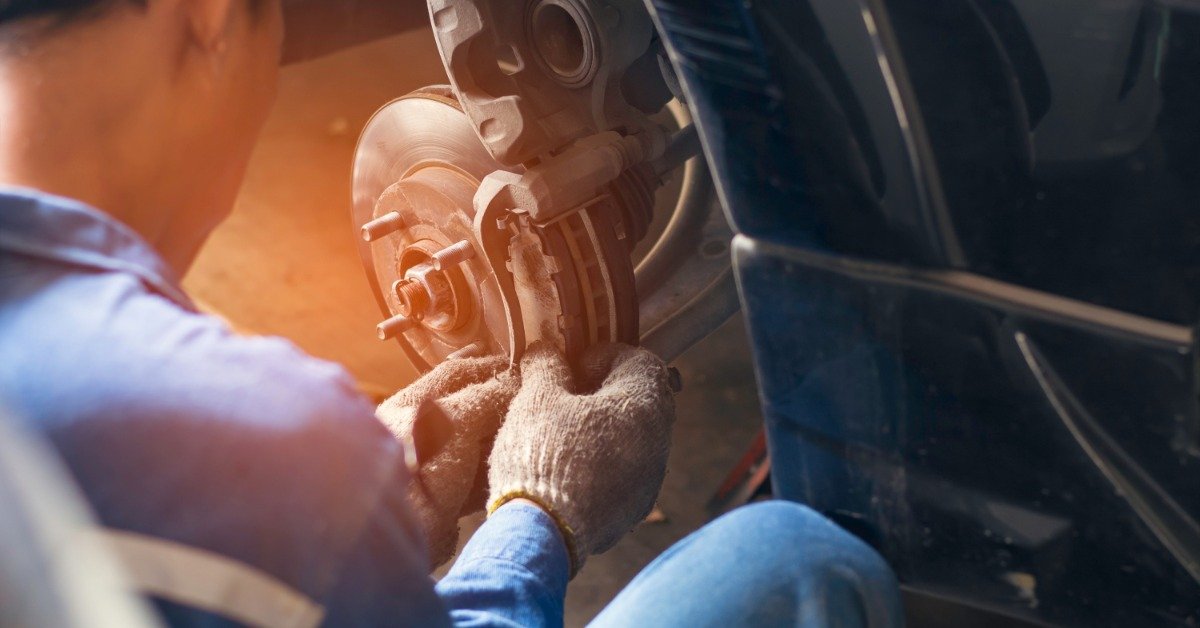
Your vehicle manufacturer’s specifications should guide your decision before personal preferences enter the picture. Some vehicles require specific brake pad formulations, so any aftermarket replacement must meet the manufacturer’s specifications. Quieter operation shouldn’t take priority over choosing pads that meet your vehicle’s requirements.
Likewise, semi-metallic pads aren’t automatically the better option for every truck or performance vehicle. A technician can help you identify compatible pads that suit your vehicle and driving needs.
Compare Replacement Costs
Ceramic options typically come with a higher initial price than standard semi-metallic alternatives, though the cost depends on your vehicle and the manufacturer. A premium semi-metallic set may cost more than a basic ceramic option. Therefore, compare specific products rather than assuming one material will always cost less.
The condition of your brake rotors can also affect the final repair cost. If the rotors show excessive wear or damage, they may need additional service or replacement.
Consider these details when reviewing a replacement estimate:
- The price of compatible pads for your specific vehicle
- The condition of your existing brake rotors
- The manufacturer’s recommended replacement specifications
- The warranty coverage provided with the replacement parts
- The labor required to complete the brake service
Signs Your Pads Need Replacement
You don’t need to wait until your brakes develop noticeable problems to have the pads inspected. As they wear down, they eventually reach the minimum allowable thickness recommended for safe operation. Regular inspections can catch excessive wear before the pad’s metal backing damages the rotor.
You may also notice changes in braking response or hear unfamiliar sounds. However, these warning signs don’t always tell you which component is causing the problem. A proper inspection can identify the source of the problem before you commit to replacing parts.
Make the Right Brake Pad Choice
You don’t need the most expensive brake pads to get dependable performance. Focus on quality pads that meet your vehicle’s specifications and match your driving habits. Your final choice should reflect the braking demands your vehicle encounters rather than the material’s reputation alone.
If your brakes need attention, Assure Repair makes getting professional help easier with our mobile brake repair service throughout the Dallas-Fort Worth area. Our technicians come directly to your location to inspect the problem and complete the necessary repairs. Contact us today to schedule an appointment and get your vehicle back on the road with confidence.